Cosmetic Dentistry and Confidence: A Powerful Connection
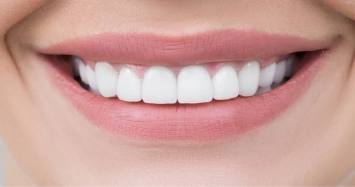
A healthy smile does far more than fill a photograph. It affects how people speak, how often they laugh, whether they cover their mouth during conversation, and how they carry themselves in rooms that matter, from job interviews to first dates to family celebrations. In clinical practice, the relationship between appearance and self-perception becomes obvious very quickly. People rarely ask for cosmetic dental work because they are chasing perfection. Most want relief. They want to stop thinking about a chipped front tooth, a darkened crown, uneven spacing, or years of staining every time they meet someone new.
That is where cosmetic dentistry becomes more than surface-level treatment. Done well, it can remove a persistent source of self-consciousness and give patients back a sense of ease. That ease often looks like confidence, but it usually starts as something simpler: being able to smile without hesitation.
Confidence often changes before the teeth do
One of the more interesting parts of cosmetic dentistry is how early the emotional shift can begin. Patients do not always wait until the final veneer is bonded or the whitening is complete to feel better. Often, confidence begins the moment there is a clear plan.
A patient who has hidden one side of her smile for years may arrive tense, guarded, and apologetic, especially if the issue has been ignored for a long time. Once she understands that discoloration can be improved, that a worn edge can be rebuilt, or that alignment can be corrected more conservatively than she feared, her posture changes. The problem stops feeling permanent. That alone can be powerful.
This matters because dental insecurity tends to seep into daily behavior. People speak less freely when they dislike their teeth. They angle their head in photos. They avoid video calls with the camera on. Some become expert at a closed-lip smile, which can read as reserved or distant even when they are neither. Cosmetic dentistry does not create a new personality, but it often removes friction that has been shaping behavior for years.
What patients are really asking for
Very few people walk into a dental office and ask Cosmetic Dentistry for “confidence.” They ask for whiter teeth, straighter teeth, less gum showing, smaller gaps, or a replacement for an old bonding repair that no longer matches. Yet beneath these requests there is often a deeper goal: they want their smile to feel like it belongs to them again.
That distinction matters. Good cosmetic dentistry is not about imposing a trend or a standard look. It is about understanding what feels out of place to the patient and deciding whether changing it will improve both appearance and function. For one person, that might mean subtle edge bonding on two front teeth. For another, it might involve orthodontic movement before any aesthetic work is done. The best results do not look “done.” They look harmonious, credible, and age-appropriate.
There is also a practical side to these conversations. A patient might say, “I hate how short my teeth look,” when the real issue is years of grinding that have worn them down. Another might ask for veneers when whitening and minor contouring would meet the goal with far less intervention. Reading these situations accurately requires experience and restraint. Confidence rises when treatment is well chosen, not when it is aggressive.
The psychology behind a smile
Smiles carry unusual social weight. People notice teeth quickly, even if they do not realize it. Symmetry, brightness, and visible dental health influence first impressions in subtle ways. That does not mean everyone needs perfectly aligned, ultra-white teeth. It means the smile sits at the center of the face, and small irregularities can feel larger to the person living with them every day.
There is also the matter of self-monitoring. When someone is deeply aware of a cosmetic dental concern, part of their attention remains fixed on it in social settings. They are not fully present because they are managing how much of their teeth show. Over time, this can become habitual. Some patients have not smiled openly in years. They may have learned to talk with reduced lip movement or laugh with a hand raised to the mouth. After treatment, they often describe the same feeling in different words: “I stopped thinking about my teeth.”
That sentence captures the connection between cosmetic dentistry and confidence better than any dramatic before-and-after photo. The goal is not vanity. The goal is freedom from constant self-editing.
Cosmetic dentistry works best when it respects the whole mouth
The public often sees cosmetic dentistry as a set of visual upgrades, but the finest aesthetic work starts with health. Gums must be stable. Decay needs treatment. Bite patterns matter. Tooth wear, clenching, recession, and existing restorations all affect the outcome.
A bright smile built on unstable foundations tends to disappoint. A patient may love the immediate change from whitening or porcelain veneers, but if the bite is off, edges can chip. If gum inflammation persists, even beautiful ceramic will not look right. If one dark tooth is caused by trauma or root canal history, surface-level whitening alone may produce uneven results.
This is where experienced clinicians differ from fast cosmetic sales models. They look beyond the front-facing problem. They ask why the spacing appeared, why one incisor is shorter, why the gums are uneven, why the enamel texture differs from one side to the other. Sometimes the answer changes the treatment entirely.
A patient with crowded lower teeth may not care about that area aesthetically, but those teeth can influence the way upper restorations function. Someone seeking a full smile makeover may actually need a phased plan spread over months, beginning with periodontal care or orthodontic movement. That kind of sequencing may feel slower, but it often produces the most natural and lasting confidence boost because the result stays stable.
The treatments people ask about most
Cosmetic dentistry covers a wide range, from simple polishing and whitening to comprehensive rehabilitations involving multiple disciplines. The common thread is appearance, but the procedures are not interchangeable. Each one solves different problems, and each carries trade-offs.
Here are some of the most common options patients explore:
- Teeth whitening works well for generalized staining from coffee, tea, red wine, tobacco, or age-related yellowing. It is conservative and often effective, but it will not change the color of crowns, veneers, or most fillings.
- Bonding uses tooth-colored composite to repair chips, close small gaps, and improve shape. It can be beautifully subtle and usually requires little or no drilling, though it may stain or wear sooner than porcelain.
- Veneers can transform color, shape, proportion, and minor alignment concerns. They are highly versatile, but they demand careful planning and should never be treated as a shortcut for every cosmetic issue.
- Clear aligners or braces improve alignment and bite. They often create the best long-term foundation for aesthetic changes because they move natural teeth rather than masking crowding or spacing.
- Gum contouring and crown lengthening adjust uneven gumlines or excessive gingival display when the teeth themselves are healthy but appear too short or asymmetrical.
Patients are often surprised to learn that the most attractive result may involve combining two or three conservative treatments rather than jumping directly to a full veneer case. Whitening before replacing old bonding, or orthodontics before reshaping the edges, can preserve more tooth structure and produce a result that ages better.
Confidence is personal, not standardized
There is a popular myth that one ideal smile fits everyone. In reality, the smiles that inspire the most genuine confidence are tailored. They respect facial shape, lip movement, age, skin tone, and the patient's own features. A twenty-three-year-old with soft translucency at the incisal edges should not receive the same design as a sixty-year-old restoring teeth after years of wear. Even siblings with similar anatomy may want completely different outcomes.
This is one reason the phrase “Hollywood smile” can be misleading. Some patients think they want very bright, perfectly uniform teeth until they see digital mockups or temporary restorations in their own face. Suddenly the look feels too flat, too opaque, or too large. What photographs well in advertising may not feel believable in daily life.
Experienced cosmetic dentists spend time studying proportion and character. Tiny variations in line angles, embrasures, texture, and luster influence whether teeth look lifelike. These details may sound technical, but patients feel them instinctively. A natural result tends to create a special kind of confidence because it does not announce itself. Friends may say, “You look great,” without identifying the dental work immediately. For many people, that is the ideal outcome.
When a small change makes a large difference
Not every confidence issue requires dramatic treatment. Some of the most satisfying cases are the modest ones.
A young professional with a childhood chip on a central incisor may spend years assuming she needs veneers, only to learn that precise edge bonding can restore symmetry in one visit. A man with deep coffee staining may avoid smiling in work presentations until whitening lifts the shade enough to make his teeth look healthier and cleaner. A patient with one misshapen lateral incisor may feel transformed after a tiny amount of enamel reshaping and composite addition.
These cases are worth highlighting because they counter the idea that cosmetic dentistry is inherently extreme or expensive. Sometimes confidence returns through very measured intervention. The real skill lies in knowing when less is enough.
There is also a financial and ethical dimension here. Not every patient can or should pursue comprehensive aesthetic treatment. Responsible care means presenting a range of options honestly. If two teeth can be improved with conservative bonding rather than eight veneers, that option deserves a serious discussion. If whitening will help but not fully solve the issue because existing crowns will remain mismatched, the patient should know that before beginning. Trust grows when expectations are managed with precision.
The trade-offs that deserve careful thought
The emotional upside of cosmetic dentistry is real, but so are the trade-offs. Any treatment that changes teeth should be approached thoughtfully, especially when healthy enamel is involved. Patients feel more confident long term when they understand what they are choosing.
Porcelain veneers, for example, can be excellent when planned properly. They can correct shape, color, and proportion in ways whitening or bonding cannot. But they may require enamel reduction, and they commit the patient to maintenance over time. Bonding is conservative and cost-effective, but it is more vulnerable to staining, edge wear, and occasional repair. Orthodontics preserves natural tooth structure, but it takes time and depends heavily on compliance. Whitening is simple and conservative, yet some people experience sensitivity and need periodic touch-ups.
The social media version of cosmetic dentistry rarely discusses these nuances. It tends to flatten everything into before-and-after images. Real treatment decisions are subtler. They account for budget, age, habits, oral health, bite force, and how much change the patient actually wants. Someone who clenches heavily at night may need a protective appliance after veneers or bonding. A patient with high aesthetic demands may be better served by porcelain than by repeated composite repairs. Another may prefer the reversibility and lower cost of bonding even if it means more maintenance.
Confidence built on a realistic understanding of these trade-offs is sturdier than confidence built on impulse.
The consultation matters more than many people expect
A cosmetic dental consultation is not merely a chance to ask, “How much will this cost?” It is the place where expectations, anatomy, lifestyle, and judgment come together. Good consultations feel collaborative, not transactional.
Patients should leave with a clear sense of the problem being treated, the available options, the likely lifespan of each solution, and the maintenance involved. They should also understand what treatment will not achieve. If lower crowding will remain visible after whitening, say so. If one dark tooth may require internal treatment or a restoration to match the rest, explain that. Ambiguity is the enemy of satisfaction.
A few signs of a careful cosmetic planning process are worth noting:
- The dentist evaluates bite, gum health, existing restorations, and wear patterns, not just color and shape.
- Photographs, mockups, or temporaries are used when the case is complex or appearance-sensitive.
- The discussion includes maintenance, limitations, and the possibility of future repair or replacement.
- The recommended plan feels proportionate to the problem, rather than automatically escalating to the most invasive option.
- The patient’s own preferences drive the endpoint, whether that means subtle refinement or a more dramatic change.
These details may seem procedural, but they influence confidence directly. People feel more secure moving forward when they understand the roadmap and trust that the treatment fits them rather than a sales script.
Why confidence after treatment can spill into other areas of life
The visible change from cosmetic dentistry is often limited to the mouth, yet the behavioral change can spread much further. Patients may start speaking up more in meetings, appearing in more photographs, returning to dating after divorce, or simply laughing without reflexively covering their teeth. These are not cosmetic details. They affect relationships, work, and social ease.
There is a practical reason for this spillover effect. The smile is one of the few features people use constantly in communication. If it has been a source of anxiety, then every conversation has carried a small burden. Remove that burden, and the person often seems lighter. Not fundamentally different, just less constrained.
This does not mean cosmetic dentistry solves every self-esteem problem. That would be simplistic and unfair. People bring complex histories to the chair, and insecurity does not always disappear when the mirror improves. Some patients expect emotional transformation that no dental treatment can fully deliver. In those cases, part of professional responsibility is setting healthy expectations. Cosmetic changes can support confidence powerfully, but they are not a cure for deeper distress or body image issues.
Still, it would be a mistake to dismiss the psychological impact as superficial. When someone has avoided smiling for ten years and no longer does, the effect is meaningful.
Age, life stage, and changing priorities
What confidence looks like at twenty-five is not always what it looks like at fifty-five. Younger patients often focus on alignment, brightness, and small chips that feel prominent in close-up photos and video calls. Middle-aged patients may be more concerned with cumulative wear, darkening restorations, gum recession, or teeth that have shifted after years without retainers. Older adults sometimes want to restore vitality without losing character. They may not want a dramatically whiter smile. They want one that looks healthy, polished, and believable.
These differences matter because the emotional goals differ as well. A bride preparing for wedding photographs may prioritize short-term brightness and camera-ready polish. A trial attorney may want durable improvements that help her feel more commanding under bright lights and close scrutiny. A retired patient may finally be addressing concerns postponed for decades and may value Cosmetic Dentistry comfort and self-acceptance as much as appearance.
Cosmetic dentistry should adapt to these life stages. The same treatment can mean different things depending on timing. Replacing dark, worn bonding before a major career transition can feel very different from doing it after retirement. The work is similar. The impact is not.
The best cosmetic dentistry is often invisible
There is a quiet benchmark many experienced clinicians use when judging aesthetic success: the work should be hard to notice and easy to live with. Teeth should suit the face. Speech should feel normal. Cleaning should not become difficult. The patient should not become preoccupied with protecting a fragile result every hour of the day.
This is especially important in comprehensive cases. The temptation to overbuild, over-whiten, or over-symmetrize can be strong, particularly when patients bring heavily edited reference photos. Yet some of the most striking smiles retain slight individuality. Natural teeth are not machine-made. They carry texture, depth, and small variations that make them convincing.
When cosmetic dentistry respects that truth, confidence tends to look calm rather than performative. The patient does not seem like someone trying to display dental work. They seem at ease. That is the real prize.
Choosing treatment for the right reasons
There is nothing shallow about wanting to feel better about your smile. Teeth are visible, personal, and socially important. Wanting them to look healthier, straighter, or more proportionate is a legitimate goal. The key is to pursue change from a grounded place.
The strongest outcomes come when patients can say, with specificity, what bothers them and what would feel better. “I want this chipped edge repaired so I stop noticing it every time I speak.” “I want my teeth brighter, but still natural.” “I want to close this space that has always made me self-conscious.” Those are workable goals. They invite careful planning and realistic success.
By contrast, vague pressure to chase a trend or look like someone else usually leads to dissatisfaction. Smiles are not fashion accessories. They are part of identity, expression, and function. Cosmetic dentistry can elevate confidence in a remarkable way, but only when it serves the person wearing the smile.
At its best, this field is not about chasing flawlessness. It is about alignment between appearance and self-perception. When patients feel that their smile finally reflects how they want to show up in the world, confidence follows naturally. Not because cosmetic dentistry changed who they are, but because it removed something that had been holding them back every time they opened their mouth to speak or smile.
Toothworks of Bakersfield, Dentist and Orthodontist
1030 H St #1, Bakersfield, CA 93304, United States
+1 661-323-9421
FAQ About Cosmetic Dentistry
Is bonding better than veneers?
Neither option is best for everyone. Composite bonding can address small chips, gaps, or shape concerns and is generally easier to repair. Porcelain veneers may offer greater resistance to staining and wear, but often require removal of some enamel. A dentist should assess your oral health, bite, goals, and budget before recommending treatment.
How long will dental bonding last?
Bonding commonly lasts about three to ten years before it needs repair or replacement, though this varies with the location and amount of bonding, your bite, and daily habits. Regular dental visits, good oral hygiene, and avoiding chewing hard objects can help protect it. Ask your dentist what lifespan is realistic for your particular treatment.
What are the risks of teeth whitening?
Whitening can cause temporary tooth sensitivity and gum irritation. Overuse or incorrect use may damage teeth or gums, and whitening does not change the color of existing crowns, veneers, or fillings. Have a dentist assess your teeth and gums, and follow the recommended product directions and treatment schedule.